

The construction industry in 2026 is entering a phase of resilience mixed with uncertainty.

Contractors are seeing strong backlog and steady demand across infrastructure, secure facilities, and renovation projects. At the same time, they continue to navigate persistent challenges:
- Labor shortages
- Cost volatility
- Supply chain constraints
- Margin pressure
For subcontractors in flooring, drywall, paint, stone, and countertops, this creates a critical dynamic:
Work is available—but winning and executing it profitably has become significantly more complex.
Strong Backlog, But Slower Decision Cycles
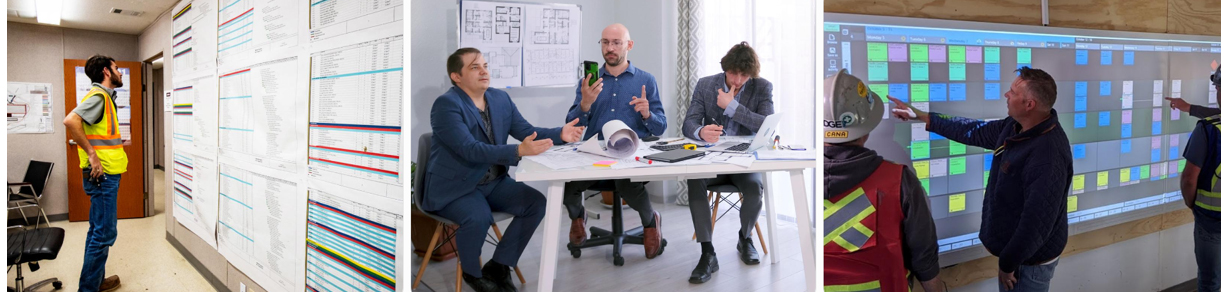
A defining trend in 2026 is the disconnect between demand and execution speed.
- Contractors report strong backlog extending months ahead
- Owners are more cautious in releasing projects
- Approvals and funding cycles are slower
Subcontractors must remain engaged across multiple opportunities—often with uncertain timelines and evolving scopes.
Labor Constraints Continue to Shape the Industry
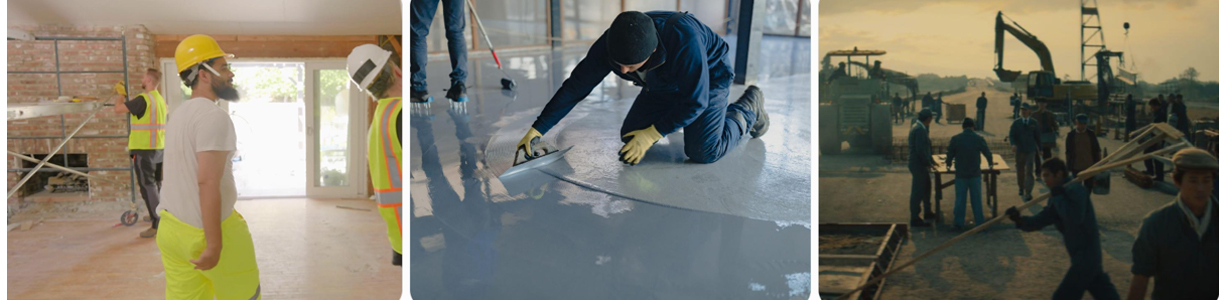
Labor remains one of the most significant constraints in 2026.
- Skilled trades remain difficult to hire
- Teams are stretched across multiple projects
- Productivity expectations continue to rise
For subcontractors, this means balancing field execution with preconstruction demands—often with the same limited resources.
Margins Are Under Pressure

Margins continue to tighten due to:
- Competitive bidding environments
- Material price fluctuations
- Increasing project complexity
- Higher expectations from general contractors
In this environment, precision in estimating directly impacts profitability.
The Hidden Bottleneck: Estimating Capacity
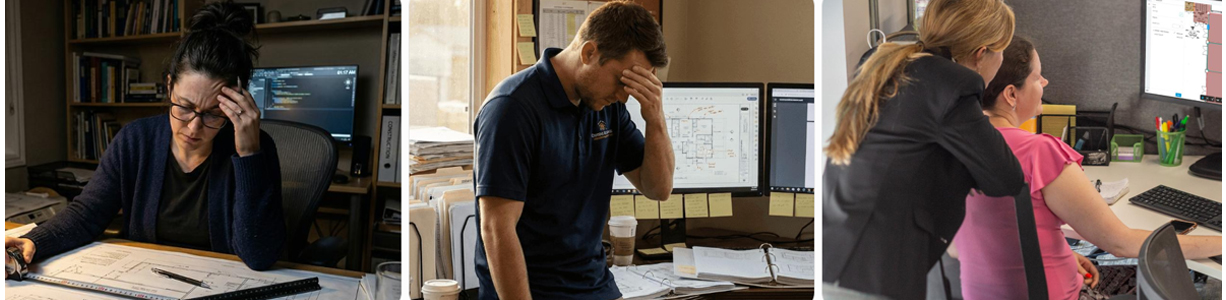
While labor and cost get most of the attention, a less visible constraint is limiting growth:
Estimating capacity.
Subcontractors are dealing with:
- Increased bid invitations
- Shorter turnaround times
- Frequent drawing revisions
- Limited estimating staff
This leads to rushed bids, missed opportunities, and reduced confidence.
Why This Matters More in 2026

Estimating has fundamentally changed.
Projects now involve:
- Continuous design updates
- Detailed and evolving scopes
- Greater coordination requirements
- Increased expectation for accuracy
Estimating is no longer a one-time activity—it is continuous and dynamic.
The Cost of Inaccuracy
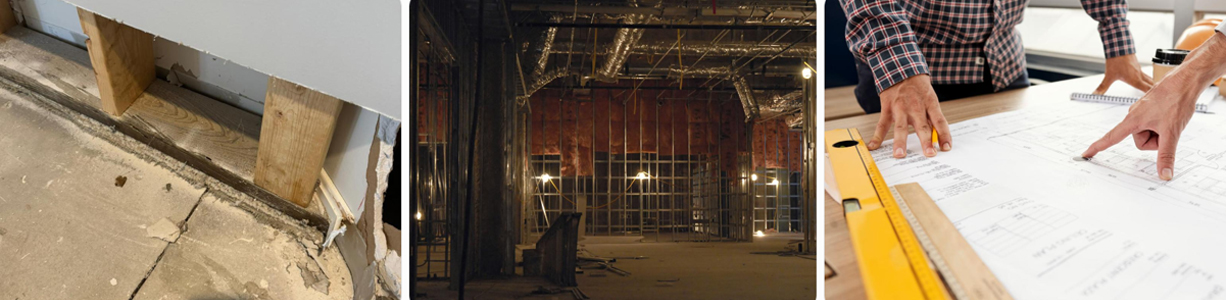
Even small estimating errors can lead to:
- Underbidding and margin loss
- Material shortages
- Project delays and rework
- Loss of credibility
In today’s market, accuracy is not just important—it is critical to survival.
What Leading Subcontractors Are Doing Differently

Top-performing subcontractors are adapting by:
- Treating estimating as a strategic function
- Prioritizing accuracy and consistency
- Leveraging external estimating support
- Building scalable processes
They understand that growth starts in preconstruction.
How Pinnacle Estimation Services Helps You Scale
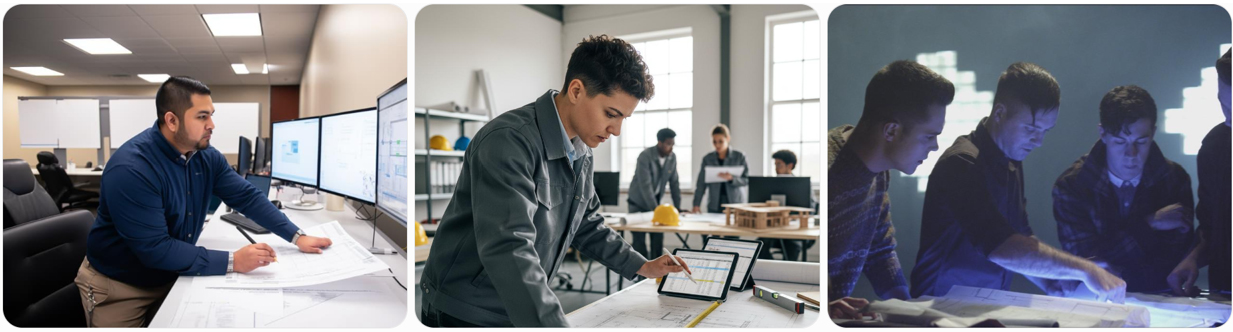
Pinnacle Estimation Services provides accurate, trade-specific quantity takeoffs for:
- Flooring
- Drywall
- Paint
- Stone
- Countertops
We help you:
- Increase bid volume without hiring
- Improve accuracy and reduce risk
- Meet tight deadlines consistently
- Focus on execution—not measurement
We act as an extension of your team, enabling scalable growth.
Practical Recommendations for Contractors

To stay competitive in 2026:
- Identify estimating as a core constraint
- Track missed bid opportunities
- Avoid sacrificing accuracy for speed
- Standardize takeoff processes
- Use external expertise strategically
The goal is not just to bid more—but to win smarter.
Looking Ahead
The construction industry in 2026 is defined by opportunity constrained by execution capacity.
Contractors who address internal bottlenecks—especially in estimating—will be best positioned to:
- Capture more work
- Protect margins
- Deliver successfully
- Build long-term relationships
Contact Us
For accurate quantity takeoffs and estimating support across flooring, drywall, paint, stone, and countertop projects, contact: www.pinnacle-cst.com